Celebrity
Noor Nanji: BBC Culture and Royal Correspondent Breaking Stories

Noor Nanji has become one of the most recognizable journalists at BBC News in 2026. Known for her sharp reporting style, calm on-air presence, and ability to explain fast-moving cultural and royal stories, Nanji represents the modern generation of British journalism: multi-platform, investigative, and deeply audience-focused. From covering the evolving role of the monarchy to unpacking entertainment industry controversies, she has built a reputation as a trusted voice across television, radio, and digital media.
As interest in culture journalism, royal coverage, and media transparency grows globally, searches for “Noor Nanji BBC” continue to rise in 2026. Her work now reaches millions through BBC One, BBC Radio 4, BBC News online, social media clips, and long-form investigative reporting.
Who Is Noor Nanji? BBC’s Trusted Voice on Culture and Royal Affairs

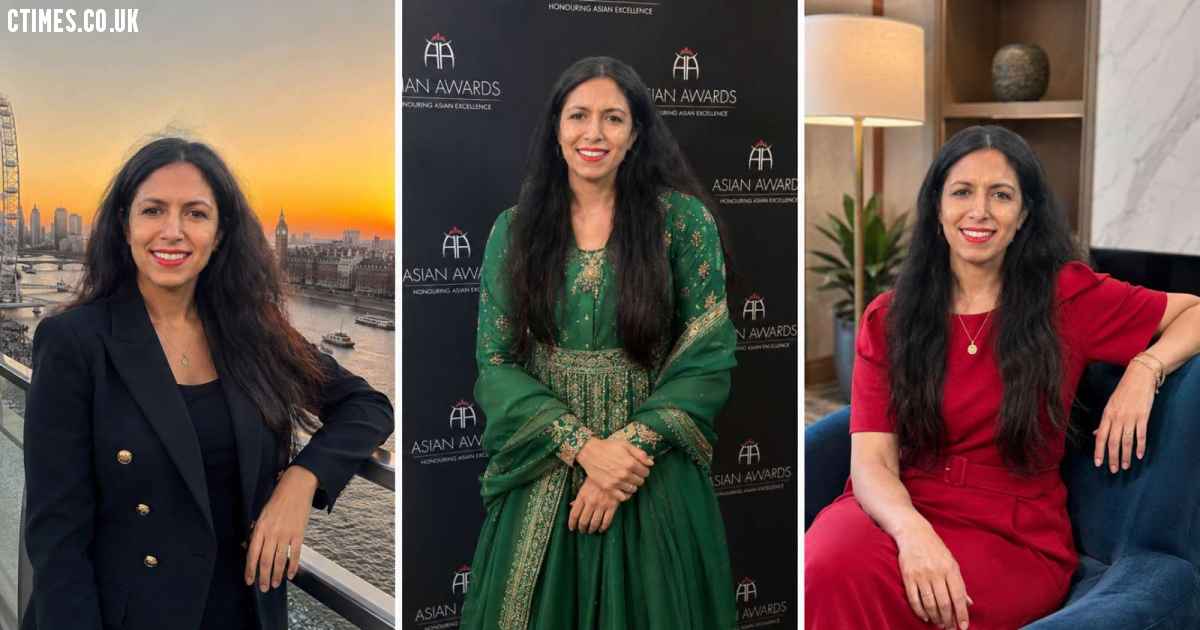
Who Is Noor Nanji? BBC’s Trusted Voice on Culture and Royal Affairs
Noor Nanji currently serves as a Culture and Royal Correspondent for BBC News, covering stories at the intersection of entertainment, arts, public identity, and the British Royal Family. Her reporting style blends traditional journalism with modern storytelling techniques designed for digital audiences.
What makes her stand out in 2026 is her ability to move seamlessly between hard-news reporting and human-centered cultural analysis. One day she may appear live outside Buckingham Palace covering a royal announcement, and the next she may be investigating media industry practices or discussing representation in television.
Her work regularly appears across:
| Platform | Coverage Type |
|---|---|
| BBC One | Live royal events, breaking culture news |
| BBC Radio 4 | Interviews and in-depth analysis |
| BBC News Channel | Rolling coverage and expert commentary |
| BBC Digital & App | Explainers, investigations, and features |
| Social Platforms | Short-form updates, clips, and live reactions |
In 2026, correspondents are expected to explain not only what happened, but also why it matters culturally and politically. Nanji’s reporting consistently does both, making her a key figure in the BBC’s evolving newsroom strategy.
Noor Nanji’s Career Timeline and Rise at the BBC
Although details about Noor Nanji’s earliest professional years remain limited publicly, her career trajectory reflects the BBC’s growing investment in specialist journalists who can operate across multiple formats.
Her early reporting focused heavily on media trends, social issues, arts coverage, and cultural storytelling. Over time, she became increasingly associated with investigative reporting and major public-interest journalism.
Key Career Milestones
| Period | Career Development |
|---|---|
| Early BBC Career | Built reputation in arts, culture, and media reporting |
| Investigative Journalism Phase | Worked on high-impact BBC investigations |
| Panorama Contributions | Helped produce and front investigative segments |
| Royal & Culture Correspondent | Became BBC’s recognizable face for royal and entertainment coverage |
| 2025–2026 | Featured in BBC explainer video on newsroom operations |
One notable moment came on 13 November 2025, when Nanji appeared in the BBC explainer video “Watch: How the BBC works… in under two minutes.” The segment showcased how modern correspondents gather, verify, and distribute stories across TV, radio, online, and social platforms.
Her rise also reflects broader shifts inside journalism. In 2026, broadcasters increasingly value reporters who can simultaneously produce:
- Television packages
- Social-first video clips
- Radio analysis
- Long-form digital features
- Live event commentary
Nanji has become a strong example of this hybrid journalism model.
Investigative Journalism and BBC Panorama Recognition
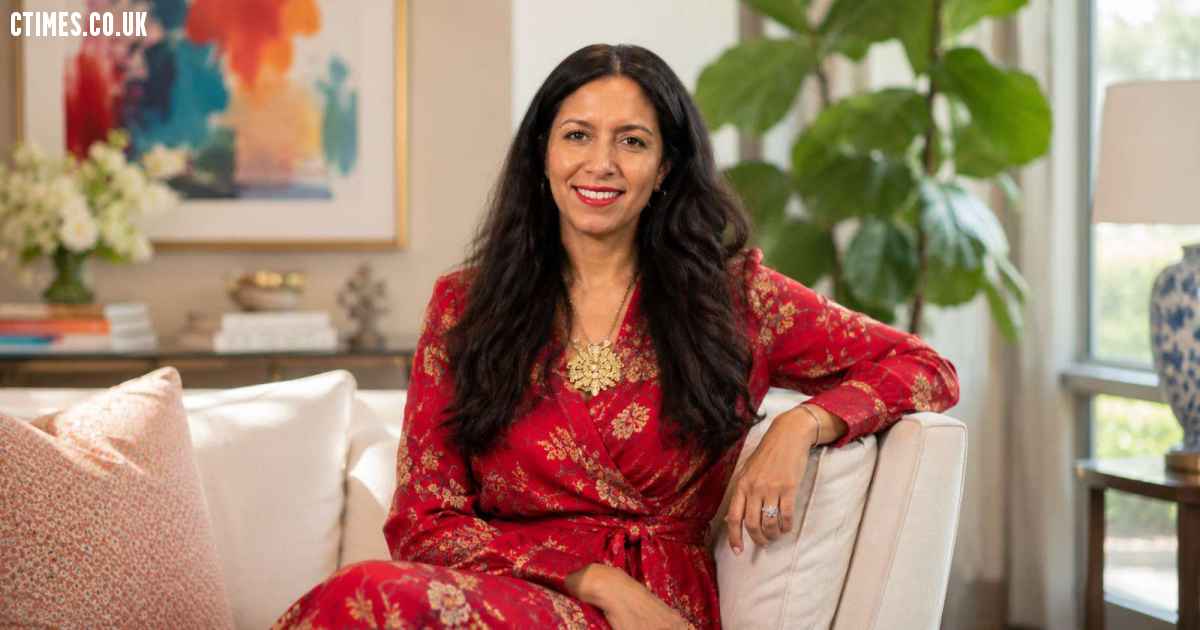
Noor Nanji
While many viewers know Noor Nanji from royal reporting and cultural coverage, her investigative work remains one of the strongest parts of her professional identity.
She has contributed to BBC Panorama investigations, one of Britain’s most respected investigative journalism programs. Her reporting has explored issues connected to media industries, cultural institutions, and broader public-interest concerns.
Major Journalism Achievements
- British Journalism Awards nomination for Best Investigation
- Multiple investigative BBC features across television and digital
- Cross-platform reporting combining interviews, data, and field investigation
- Recognition for explaining complicated cultural issues in accessible language
What separates Nanji from many culture correspondents is her ability to treat entertainment and cultural stories with the seriousness of political reporting. Rather than focusing only on celebrity headlines, she often investigates:
- Industry accountability
- Representation and diversity
- Business structures behind entertainment
- Social consequences of media trends
- Public trust in institutions
This investigative depth has strengthened her credibility in a media landscape increasingly shaped by misinformation and viral content.
Royal Reporting and Cultural Analysis in 2026
The role of a Royal Correspondent has evolved dramatically in recent years. In 2026, royal coverage is no longer limited to ceremonial events and palace statements. Reporters must now explain how the monarchy intersects with politics, internet culture, branding, and generational change.
Noor Nanji has become particularly known for this style of contextual royal reporting.
Areas She Frequently Covers
| Topic | Focus |
|---|---|
| Royal Family Events | State visits, ceremonies, public appearances |
| Cultural Trends | Streaming, social media, entertainment shifts |
| Arts Industry | Film, television, music, and festivals |
| Identity Journalism | Assimilation, naming, representation |
| Media Analysis | How institutions communicate with audiences |
Her reporting on identity and assimilation particularly resonated with audiences. One widely discussed piece explored why individuals sometimes alter or simplify their names professionally or socially. The article sparked national conversation about workplace identity, cultural expectations, and belonging in Britain.
That kind of personal journalism has become increasingly important in 2026 because audiences often connect more deeply with reporters who bring authentic lived experience into their storytelling.
Inside the BBC Newsroom: How Noor Nanji Works in 2026
Modern journalism moves faster than ever, and correspondents like Noor Nanji now operate in a highly integrated digital newsroom environment.
The BBC’s newsroom workflow in 2026 emphasizes:
- Rapid verification
- Multi-platform publishing
- Audience engagement
- Real-time updates
- Data-informed reporting decisions
Typical BBC Reporting Workflow
- Story identification through newsroom meetings, audience trends, or breaking news
- Verification process with editorial standards teams
- Field reporting and interviews
- Simultaneous content production for TV, web, radio, and social media
- Continuous updates as stories evolve
Nanji exemplifies this workflow. In a single week, she might:
- File a royal live report for BBC television
- Produce a digital analysis article
- Participate in a BBC Radio discussion
- Share social media updates from a cultural event
- Contribute to investigative reporting projects
This flexibility is exactly what the BBC increasingly prioritizes in 2026.
Where to Follow Noor Nanji’s Reporting in 2026
People searching for Noor Nanji’s work can find her reporting across multiple BBC and digital platforms.
| Platform | Best For |
|---|---|
| BBC News TV | Breaking royal and culture coverage |
| BBC Website & App | Full investigations and explainers |
| BBC Radio 4 | Interviews and deeper discussion |
| X / Twitter (@NoorNanji) | Live updates and newsroom insights |
| JournoPortfolio | Professional archive and biography |
A useful search strategy in 2026 is combining her name with a specific event, such as:
- “Noor Nanji royal tour”
- “Noor Nanji BBC Panorama”
- “Noor Nanji culture report”
This helps surface targeted coverage quickly across BBC platforms.
Why Noor Nanji Matters to Journalism in 2026
Noor Nanji’s growing influence reflects several larger trends shaping modern journalism.
Representation and Diversity
As a prominent British Asian journalist in a major BBC role, she contributes to broader efforts to ensure British media reflects modern society more accurately.
Trust and Verification
At a time when misinformation spreads rapidly online, journalists with strong editorial standards and investigative credibility have become more important than ever.
Cultural Translation
Nanji helps bridge generational gaps by explaining:
- Internet culture to traditional audiences
- Royal institutions to younger viewers
- Media industry changes to mainstream news consumers
Multi-Platform Journalism
The future of journalism increasingly belongs to reporters who can succeed simultaneously on:
- Television
- Streaming clips
- Podcasts
- Digital articles
- Social media
Nanji has emerged as a leading example of this evolution.
The Future of Noor Nanji’s Reporting Career
The Culture and Royal beat is expected to expand significantly beyond traditional reporting in the coming years. Journalists covering these topics now need expertise in:
- AI-generated media
- Streaming economics
- Viral misinformation
- Celebrity branding
- Royal public relations
- Internet-driven cultural movements
With her investigative background and digital-first reporting approach, Noor Nanji is well-positioned to remain one of the BBC’s defining journalistic voices heading into 2027 and beyond.
Final Take: Whether she is reporting live from Buckingham Palace, investigating cultural institutions, or discussing identity and representation in modern Britain, Noor Nanji represents the future of BBC journalism in 2026 — credible, multi-platform, culturally aware, and deeply connected to how audiences consume news today.